
Summary
Most websites ask for the sale once, but strong website conversion mechanics use multiple touchpoints across the customer journey. By understanding user intent, traffic sources, and conversion roadblocks, businesses can reduce friction, improve calls to action, and increase conversion rates over time.
Ever feel like your website is only giving potential customers one chance to click that ‘buy’ button? It’s a common setup, but it might be missing out on a lot of opportunities. Think about it: people don’t always decide to purchase the first time they see something. They might be browsing, comparing, or just not ready yet. Understanding the whole journey a visitor takes is key to figuring out the best website conversion mechanics. This article looks at why asking for the sale (or the next step) more than once, and at the right times, can make a big difference.
Key Takeaways
-
Most websites only ask for a sale once, missing chances to connect with visitors who aren’t ready to buy immediately.
-
Understanding where visitors come from and what motivates them is vital for improving website conversion mechanics.
-
Identifying and addressing visitor frustrations and roadblocks can significantly boost conversion rates.
-
Using customer feedback, especially post-purchase, helps refine your website’s approach and build trust.
-
Creating multiple touchpoints and nurturing leads through consistent interaction is more effective than relying on a single conversion moment.
Why Your Website Asks for Business Once (When It Should Ask 6 Times)
So, you’ve built this slick website, right? You’ve got your ‘Buy Now’ button, maybe a contact form. You figure, ‘Great, I’ve asked for the business. Job done.’ But here’s the thing: most websites are like that one friend who asks you out once, gets a ‘no,’ and then just sulks in the corner. They miss out on so many opportunities because they think there’s only one shot at this.
The Illusion of a Single Conversion Moment
It’s easy to fall into the trap of thinking there’s this magical moment when a visitor decides to buy. You know, they land on your page, are instantly smitten, and click ‘purchase.’ But for most people, it’s not a lightning strike; it’s more like a slow burn. They might visit your site, then get distracted by an email, or maybe they’re just ‘browsing’ for now. They’re not ready to commit, and that’s totally okay. Your website needs to be ready to engage them again, and again, and maybe even a third time. Asking just once is like showing up to a party, saying hello, and then leaving. You wouldn’t do that in real life, so why do it online?
Understanding the Nuances of User Intent
People show up on your website for all sorts of reasons. Some are ready to buy right now. Others are just curious, maybe comparing options, or even looking for information they can’t find elsewhere. Your website needs to figure out what they’re really after. Are they a ‘ready-to-spend’ customer or a ‘just-looking’ browser? Asking the same question to everyone, or only asking once, means you’re probably missing the mark for a huge chunk of your visitors. It’s like asking someone if they want to buy a car when they’re just looking for directions.
Beyond the First Click: The Extended Journey
Think about the last time you bought something significant online. Did you just click ‘buy’ on the first site you saw? Probably not. You likely visited a few places, read some reviews, maybe even left and came back later. That’s the real customer journey. Your website needs to be part of that entire process, not just a single pit stop. It means being there when they return, offering more information, and making it easy for them to finally take the plunge. It’s about building a relationship, not just making a quick sale.
The Golden Questions: Unlocking Website Conversion Mechanics
So, you’ve got people landing on your site, but they’re not exactly lining up to hand over their cash. Bummer. It’s easy to get lost in the weeds, wondering what’s going wrong. But what if I told you the answers are often right there, just waiting for you to ask? We’re not talking about a random poll here; we’re talking about asking the right questions to the right people at the right time. Think of it as being a detective, but instead of a magnifying glass, you’ve got a survey form. Let’s get into the nitty-gritty of what you actually need to know.
Identifying Traffic Sources: Where Did They Come From?
Seriously, where did they come from? This isn’t just about patting yourself on the back for a good ad campaign. Knowing your traffic sources is like knowing which doors lead to your store. If you’re pouring money into a marketing channel that’s bringing in folks who just bounce, well, that’s money down the drain. We need to figure out what’s actually working.
-
Ask them directly: “Where did you first hear about us?”
-
Don’t just accept “Google”: Encourage specifics. Did they search for a particular term? Did they click an ad? Was it a specific blog post?
-
Track it: Use UTM parameters religiously. Seriously, it’s not that hard.
Understanding Purchase Motivations: What Sold Them?
This is where things get juicy. You think you know why people buy from you, but do you really? Your assumptions might be way off. Maybe you think your killer pricing is the main draw, but customers are actually raving about your surprisingly helpful customer service. We need to get inside their heads.
-
The Big Question: “What persuaded you to choose us over others?”
-
Dig Deeper: What specific feature, benefit, or even feeling made them click “buy”? Was it a testimonial? A specific product detail? Your return policy?
-
Look for Patterns: Are multiple people mentioning the same thing? Bingo. That’s your golden ticket for marketing copy.
Competitive Analysis: Who Else Did They Consider?
Nobody makes a purchase in a vacuum. Your potential customers are shopping around, comparing prices, features, and vibes. Knowing who else they looked at is like getting a peek at your competitors’ report cards. It tells you where you shine and where you might be falling short.
-
The Crucial Question: “Which other options did you consider before deciding on us?”
-
Don’t Be Scared: Seeing competitors listed isn’t a death sentence. It’s market intelligence.
-
Analyze the Responses: Are they mentioning big names? Small niche players? What are they saying about those alternatives (if they offer that info)? This helps you refine your unique selling proposition.
Asking these questions isn’t about interrogation; it’s about conversation. You’re gathering intel to make your website work for you, not against you. Get this right, and you’ll start seeing those conversion numbers climb, no magic wand required.
The Hidden Obstacles: Why Visitors Don’t Convert
So, you’ve got a website. It looks pretty, it functions smoothly, and you’re pretty sure it’s telling people exactly what you want them to know. Yet, crickets. Or worse, a steady stream of visitors who just… leave. It’s like throwing a party and nobody shows up, or they show up, grab a cracker, and then mysteriously vanish. What gives?
It’s easy to blame the visitors – maybe they’re just not the right kind of people, or they’re too easily distracted by shiny objects. But let’s be honest, sometimes the problem isn’t them, it’s us. Or rather, it’s our website’s ability to actually connect with them and convince them that we’re the solution they’ve been looking for.
Pinpointing Detractors: What Pushed Them Away?
Think of your website as a first date. If things go south, it’s usually not because of one giant, obvious flaw. It’s often a series of small, almost imperceptible things that just… don’t click. These are the detractors, the little things that make someone think, “Nah, I don’t think so.” Maybe your pricing isn’t clear, or perhaps the checkout process feels like a scavenger hunt. It could even be something as simple as outdated information that makes you look out of touch.
We often assume people leave because they don’t like our product, but it’s rarely that simple. It’s more likely they hit a snag, got confused, or felt a lack of trust. Identifying these specific pain points is like finding the loose thread that’s unraveling the whole sweater.
Addressing Frustrations: The Biggest Roadblocks
What are the actual roadblocks that send people running for the hills (or, you know, to a competitor’s website)? It’s not always about a lack of desire for your product or service. Often, it’s about friction. Imagine trying to assemble IKEA furniture with instructions written in ancient hieroglyphics – frustrating, right? Your website can feel that way to a visitor if it’s not clear, easy to use, or if it raises more questions than it answers.
Here are some common culprits:
-
Confusing Navigation: People get lost easily. If they can’t find what they’re looking for within a few clicks, they’re gone.
-
Slow Load Times: In today’s world, patience is a rare commodity. If your pages take too long to load, visitors will bounce faster than a rubber ball on a trampoline.
-
Lack of Clear Call-to-Actions (CTAs): What do you actually want them to do? If it’s not obvious, they won’t do it.
-
Unconvincing Copy: If your words don’t speak to their needs or sound bland, why should they care?
The biggest frustrations often stem from a disconnect between what the visitor expects and what the website actually delivers. It’s about managing expectations and then meeting them, consistently.
The Unqualified Visitor Problem
Now, let’s talk about the folks who visit your site but were never, ever going to buy. These are the ‘window shoppers’ of the internet. They might be students researching a project, competitors checking out your pricing, or someone who just mistyped a URL. They’re not bad visitors, they’re just… not your visitors. Trying to convert them is like trying to sell ice to an Eskimo – a waste of everyone’s time and energy.
The tricky part? It’s often impossible to tell the difference between a qualified visitor who leaves and an unqualified one. They both just disappear. This is why focusing on who you’re asking for feedback is so important. You want to talk to people who were actually in the market for what you offer, not just anyone who stumbled onto your page.
Leveraging Customer Insights for Better Website Conversion Mechanics
So, you’ve built this amazing website, right? It looks slick, the copy is chef’s kiss, and you’re pretty sure it’s a conversion machine. But then… crickets. Or worse, a trickle. It turns out, just having a website isn’t enough. You need to actually talk to the people who visit it, or, even better, the ones who actually buy something. Crazy, I know.
Asking the Right People at the Right Time
Who should you bother with? Not just anyone. You want to talk to people who have actually done something on your site, ideally, bought something. Think about it: someone who just handed over their hard-earned cash knows exactly why they did it, and probably what almost stopped them. It’s like asking someone who just ran a marathon what the hardest part was – they’ve got the fresh intel.
-
Post-Purchase Surveys: These are gold. Slap a quick survey on the thank-you page or shoot an email right after they buy. It’s the perfect moment to catch them while it’s all still fresh in their minds.
-
Repeat Engagers: People who keep coming back, even if they haven’t bought yet, are also worth a chat. What are they looking for? What’s holding them back?
-
Not Just Anyone: Avoid surveying random folks who landed on your site looking for a job or checking your address. They’re not in the market, so their feedback is about as useful as a screen door on a submarine.
The Power of Post-Purchase Surveys
Seriously, this is where the magic happens. You’ve got a customer who just converted. They’re happy (hopefully!), and they’re primed to tell you what made them click ‘buy’. Don’t waste this golden opportunity. Ask them directly:
-
What convinced you to buy from us?
-
What other options did you consider?
-
What was the biggest hurdle you had to overcome before buying?
These aren’t just random questions; they’re designed to pull back the curtain on your actual selling points, your competition, and those pesky little things that almost made them walk away. You might be surprised what you learn. Maybe you thought your pricing was the big draw, but it turns out your stellar customer service is what sealed the deal. Who knew?
Turning Objections into Opportunities
So, you’ve asked your recent buyers what almost stopped them. Great! Now, what do you do with that info? Don’t just file it away. Those
Beyond the ‘Buy Now’ Button: Multiple Touchpoints Matter
Look, we all want that instant gratification, right? A visitor lands on your site, clicks ‘buy,’ and boom – conversion. Easy peasy. But let’s be real, that’s about as common as finding a unicorn riding a unicycle. Most of the time, people aren’t ready to commit on their first go. They’re browsing, comparing, maybe just killing time. Your website needs to be there for them, not just once, but multiple times.
Think of it like dating. You don’t propose on the first coffee date, do you? You build rapport, show your good side, maybe send a follow-up text. Your website should do the same. It’s about nurturing that relationship, not just making a quick sale.
The Value of Repeat Engagement
So, how do you get people to come back? It’s not rocket science, but it does take a bit of effort. You need to give them a reason to return. This could be through:
-
Helpful Content: Blog posts, guides, or even just useful FAQs that solve a problem.
-
Exclusive Offers: A little discount for returning visitors or subscribers can go a long way.
-
Community Building: Forums or social media groups where people can connect.
It’s about making your site a destination, not just a transaction point. People are more likely to buy from a brand they feel connected to, and that connection doesn’t happen in a single click. It’s built over time, through consistent, positive interactions. This is where understanding your marketing touchpoint analysis really shines.
Nurturing Leads Through Consistent Interaction
Once someone shows interest – maybe they signed up for a newsletter or downloaded a guide – they become a lead. Now what? You can’t just leave them hanging! This is where consistent interaction comes in. Sending out regular, relevant emails is key. Don’t just blast them with sales pitches. Share useful tips, company updates, or behind-the-scenes peeks. The goal is to stay top-of-mind without being annoying. It’s a delicate balance, for sure.
You’re not just selling a product; you’re building a relationship. Each interaction, whether it’s an email, a social media post, or a helpful blog article, is a chance to strengthen that bond and move the prospect closer to becoming a loyal customer.
Reinforcing Your Value Proposition
Every time you interact with a potential customer, you get another chance to remind them why you’re the best choice. Don’t assume they remember all the great things about your business from that first visit. You need to keep reinforcing your unique selling points. This could be through:
-
Testimonials: Showcasing happy customers.
-
Case Studies: Demonstrating real-world success.
-
Clear Benefit Statements: Highlighting what makes you different and better.
It’s like a catchy song – you hear it enough times, and it gets stuck in your head. You want your value proposition to be the same for your potential customers.
The Science of Asking: Refining Your Website’s Questions
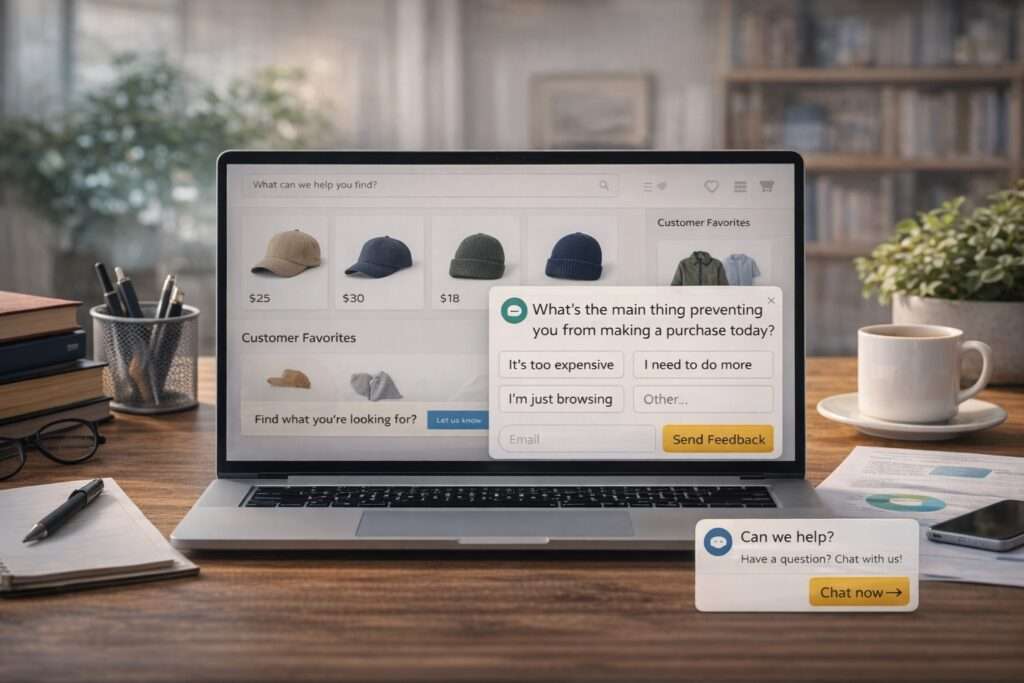
So, you’ve got a website, and it’s doing its thing. But is it really talking to your visitors, or just shouting into the void? Most sites ask for the sale once, maybe twice if they’re feeling bold. That’s like asking someone to marry you on the first date – a bit much, and probably not going to work. We need to get smarter about how we ask.
Open-Ended Questions for Deeper Insights
Forget those tick-box surveys that tell you nothing. We’re talking about questions that actually make people think. You know, the kind that might even make you think. Asking “How did you hear about us?” is a start, but it’s like asking “What’s your name?” You need more.
Try something like: “What was the specific problem you were trying to solve when you first looked for a solution like ours?” This gets to the heart of why they’re even on your site. It’s not just about finding a product; it’s about solving a pain point. The more specific the problem, the more specific your solution can be.
Here’s a little peek at what we mean:
|
Question Type |
Generic Example |
Deeper Example |
|---|---|---|
|
Origin |
“How did you find us?” |
“What search terms or specific websites led you to discover us?” |
|
Motivation |
“Why did you buy?” |
“What was the single biggest factor that convinced you to choose us over others?” |
|
Obstacles |
“What went wrong?” |
“Describe the biggest hurdle you faced before you found our solution.” |
Segmenting Responses for Actionable Data
Okay, so you’ve asked some killer questions. Now you’ve got a pile of answers. What do you do with them? Just reading them isn’t going to magically boost your conversions. You need to sort this stuff out.
Think of it like sorting laundry. You wouldn’t just throw everything in one pile, right? You separate the whites from the colors. Same here. Group similar answers together. If five people mention shipping costs as a major issue, that’s a signal. If ten people rave about your customer service, that’s another.
Here’s a basic breakdown:
-
Identify Themes: Look for recurring ideas, problems, or compliments.
-
Quantify: How many people mentioned each theme? This helps you prioritize.
-
Categorize: Group themes into broader areas like ‘Pricing Issues,’ ‘Product Features,’ ‘Customer Support,’ etc.
This isn’t about getting a perfect score on a survey; it’s about finding the nuggets of truth that tell you what’s really going on with your visitors. Don’t get bogged down in the tiny details if the big picture is screaming at you.
The Art of the Follow-Up Question
Sometimes, the first answer is just the beginning. You asked, “What persuaded you to purchase?” and they said, “Your great reviews.” Okay, cool. But why did the reviews persuade them? Were they looking for social proof? Did they trust the number of reviews? Were they specific testimonials?
This is where the follow-up question comes in. It’s like peeling an onion – you keep going until you get to the core.
-
If someone says they considered competitors, ask: “What specifically made you choose us instead of ?”
-
If they mention a feature, ask: “How do you plan to use that feature, and what outcome are you hoping for?”
It might feel a bit like an interrogation, but trust me, this is how you get the real intel. It’s the difference between knowing that someone bought and knowing why they bought, which is way more useful for getting more people to buy.
Remember, the goal isn’t just to ask questions; it’s to start a conversation that leads to understanding. And understanding is the first step to getting people to click that button.
Building Trust Through Transparency and Information
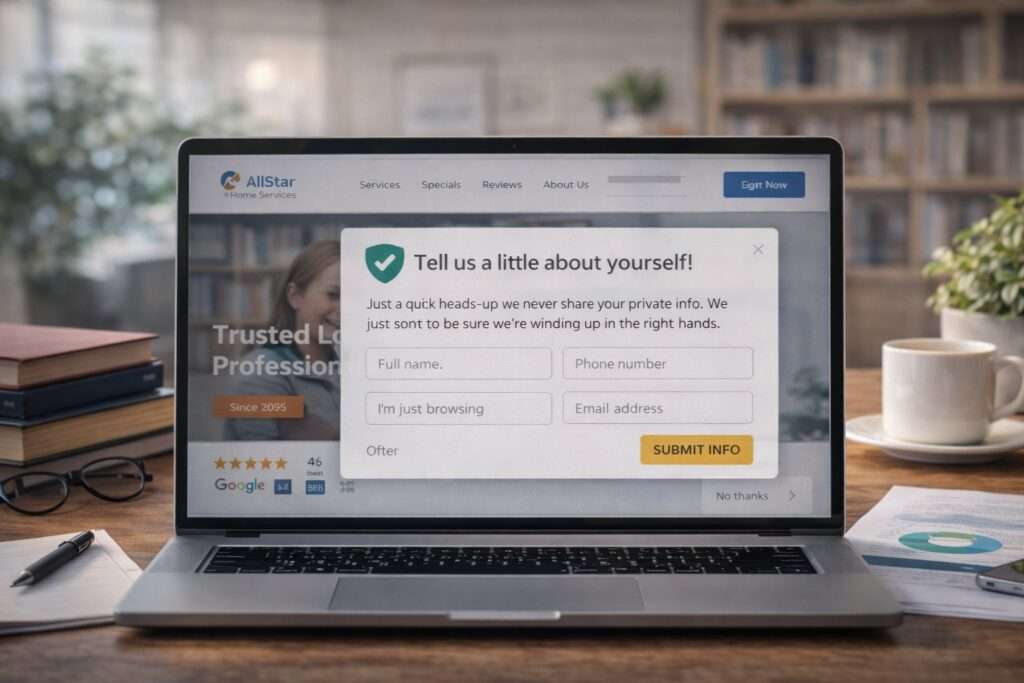
Look, nobody likes feeling like they’re being messed with, right? Your website asking for business details once is like showing up to a party and only talking to one person. It’s weird. People want to know who you are, what you’re about, and if you’re legit. That’s where being upfront and clear comes in. It’s not just about making a sale; it’s about making a connection.
The Role of Accurate Business Hours
Seriously, this is a big one. If your website says you’re open until 5 PM, but you actually close at 4 PM on Tuesdays, you’re just asking for trouble. People will show up, find a locked door, and guess what? They’re not coming back. They’ll probably leave a grumpy review, too. Keeping your hours spot-on is non-negotiable for local search and customer happiness. It tells search engines like Google that you’re a real, active business, and it tells customers you respect their time. It’s a win-win, and frankly, it’s not that hard to update.
Consistency Across Online Platforms
So, your website says one thing, your Facebook page says another, and your Google Maps listing is from the stone age. This is a recipe for disaster. Imagine a customer trying to find you – they’ll see conflicting info and just give up. It makes you look disorganized, and honestly, a bit shady. Make sure your business name, address, phone number, and especially those all-important hours are the same everywhere. Think of it like a consistent brand voice, but for practical stuff.
Enhancing Credibility with Complete Profiles
This ties into the last two points. A complete profile isn’t just about filling in blanks; it’s about showing you’re serious. Think about it: if you’re looking for a service and one business has a bare-bones listing with no photos or details, and another has a full profile with services, hours, and maybe even a little ‘about us’ section, which one do you trust more? It’s the one that looks like they actually care about their business and their customers. It’s about making it easy for people to say ‘yes’ to you.
When potential customers land on your site, they’re looking for reassurance. They want to know you’re reliable, accessible, and professional. Providing clear, consistent, and complete information is the bedrock of building that trust. It’s the digital equivalent of a friendly handshake and a clear explanation of services.
The Impact of Reviews on Website Conversion Mechanics
Okay, let’s talk about reviews. You know, those little star ratings and comments people leave online? They might seem like just a bunch of opinions, but honestly, they’re a pretty big deal when it comes to getting people to actually buy stuff from your website. It’s like word-of-mouth, but amplified and out there for everyone to see. The more positive feedback you have, the more people will trust you.
How Many Reviews Are Enough?
This is the million-dollar question, right? And the truth is, there’s no magic number that fits every single business. But here’s the scoop: more is generally better. Think about it. If you only have one or two reviews, people might think, “Hmm, is that just their mom who left that?” But once you start getting a decent number, say around 10 recent ones, people tend to stop looking for more proof. It’s like a threshold for trust. We’ve seen that just a few reviews can start nudging traffic your way, and once you hit over 100, you can see conversion rates jump significantly. It’s not just about quantity, though; it’s about freshness.
The Shelf Life of Online Feedback
Here’s where it gets a bit tricky. Reviews aren’t like fine wine; they don’t get better with age. In fact, most consumers consider reviews older than six months to be pretty irrelevant. So, that glowing review from your cousin Brenda three years ago? Probably not doing much for you now. This means you need a steady stream of new feedback coming in. It’s a constant game of reputation management. You can’t just set it and forget it. You’ve got to keep asking customers to share their experiences, and you need to make sure those reviews are showing up on the platforms where people are actually looking, like Yelp and Google.
Star Ratings as a Trust Signal
So, what are people actually looking at when they scan reviews? While the comments are important, the star rating is often the first thing that catches their eye. It’s like a quick snapshot of your business’s reputation. Most people won’t even consider a business if it has fewer than three stars. Seriously, 42% of consumers say they’ll only go with businesses that have at least a three-star average. It’s a pretty clear indicator: aim for good, solid reviews, and try to get more of them than your competitors. It’s not about being perfect, but about showing that a good number of people have had a positive experience.
You need a strategy to keep those reviews coming in. It’s not enough to just hope people will leave them. You have to actively encourage it and make it easy for them to share their thoughts. This consistent effort builds a stronger, more trustworthy online presence over time.
Optimizing for the Long Game: Beyond Immediate Conversions
So, you’ve got someone on your site. Great! But what happens after they click that shiny ‘Buy Now’ button, or maybe even if they don’t? Thinking only about that one moment is like planning a party and only inviting people to the cake cutting. You’re missing the whole pre-party buzz and the after-party cleanup.
Encouraging Return Visits
Look, most people aren’t going to buy the first time they land on your site. Shocking, I know. They might be window shopping, comparing prices, or just trying to figure out if you’re legit. If you treat them like a one-hit wonder and forget about them, they’re probably not coming back. We need to make them want to return. This means having content that’s actually useful, not just a sales pitch. Think blog posts, helpful guides, or even just a really well-organized FAQ. Make it easy for them to find what they need, even if they aren’t ready to buy today.
The Power of Related Content
Ever been on a site and clicked on one thing, then another, then suddenly you’re 20 minutes deep into articles about, I don’t know, the history of shoelaces? That’s related content working its magic. When someone shows interest in one topic, serve them up more of it. It keeps them engaged, shows them you know your stuff, and subtly guides them towards understanding how your product or service fits into their life. It’s like a friendly guide showing you around, rather than a pushy salesperson.
Understanding Dwell Time
Scientists have looked at this, and guess what? People are really quick to bail on bad websites. Like, within seconds. If you can get them to stick around for about 30 seconds, your chances of them staying longer go way up. This ‘dwell time’ is a pretty good indicator of whether your page is actually doing its job. Is it clear? Is it interesting? Does it load fast? If people are bouncing faster than a rubber ball on a trampoline, you’ve got a problem. It means your initial hook isn’t working, and they’ve already decided you’re not worth their precious time.
The first 10 seconds on your website are like a first impression. If it’s a bad one, they’re gone. No second chances, usually. Make it count.
Here’s a quick look at how dwell time can tell a story:
|
Time on Page |
Likelihood of Leaving |
What it Might Mean |
|---|---|---|
|
0-10 seconds |
Very High |
Page is confusing, slow, or irrelevant. |
|
10-30 seconds |
High |
User is still evaluating, but not fully convinced. |
|
30+ seconds |
Moderate |
User finds value, likely to explore more. |
Actionable Insights: Turning Data into Conversions
So, you’ve gathered all this juicy data from your website visitors. Awesome! But what do you actually do with it? Staring at spreadsheets won’t magically boost your sales, unfortunately. We need to turn that information into actual, you know, conversions. It’s like having a bunch of ingredients but no recipe – you gotta cook something with it!
The Principle of ‘Less Is More’ in Surveys
Look, nobody wants to spend their afternoon filling out a novel for your website. If your survey is longer than a CVS receipt, people will just bail. Keep it short, sweet, and to the point. Think of it as a quick chat, not an interrogation. A few well-chosen questions are way better than a rambling questionnaire that nobody finishes. You’ll get better response rates and, surprisingly, more thoughtful answers. Who knew?
Incentivizing Customer Feedback
Let’s be real, people are busy. Asking for their time and opinions is a big ask. So, why not sweeten the deal a little? Offering a small incentive – maybe a discount on their next purchase, a freebie, or entry into a prize draw – can make a world of difference. It shows you appreciate their input and makes them more likely to actually give it. It’s a win-win, really. They get a little something, and you get the insights you need.
Acting on Feedback for Real Growth
This is the big one, folks. You’ve asked, they’ve answered, you’ve got the data. Now what? If you just let that feedback sit there gathering digital dust, you’ve wasted everyone’s time, including your own. You absolutely must act on what you learn.
Here’s a quick rundown of what that looks like:
-
Review and Categorize: Read through all the responses. Group similar comments together. Are a lot of people confused about shipping costs? Is the checkout process clunky? Identify the recurring themes.
-
Prioritize: You can’t fix everything at once. Figure out which issues are the biggest roadblocks to conversion and tackle those first. What’s causing the most people to leave?
-
Implement Changes: Make the necessary tweaks to your website, your product descriptions, your checkout process – whatever the feedback points to.
-
Communicate: If possible, let your customers know you heard them and made changes. A simple “Thanks for your feedback, we’ve improved X based on your suggestions!” can go a long way.
Gathering data is only half the battle. The real magic happens when you use that information to make tangible improvements that actually help your visitors convert. Don’t just collect feedback; use it. It’s the fastest way to figure out what’s really going on and make your website work better for everyone.
Ready to make your data work for you? Our tools help you understand your customers better and boost your sales. Visit our website today to learn how we can help you turn your information into real results and grow your business. Don’t wait, start converting more visitors into happy customers now!
So, What’s the Big Takeaway?
Look, it’s pretty simple. Asking people for their business, or for feedback, just once is like showing up to a party and only saying ‘hi’ to one person. You’re missing out on a ton of potential connections! We’ve talked about how asking the right questions, at the right time, can actually help you understand your customers better. It’s not about being annoying; it’s about being smart. By giving folks multiple chances to engage, and by actually listening to what they tell you, you’re way more likely to turn those casual browsers into actual fans. So, stop being shy and start asking – just, you know, do it strategically. Your bottom line will thank you.
Frequently Asked Questions
Why is it important to ask visitors questions on my website?
Asking questions helps you understand what people like, dislike, and need from your website. This information is super helpful for making your site better so more people want to buy your stuff or use your services.
How many times should I ask visitors questions?
Instead of asking just once, it’s better to ask questions at different points. This gives you more chances to learn about visitors and helps you figure out why they might not be buying.
What are ‘golden questions’ for a website?
These are the most important questions you can ask, like ‘Where did you find us?’ or ‘What made you buy?’ They help you understand how people find you and what makes them choose you over others.
Who should I ask questions on my website?
It’s best to ask people who have recently bought something. They’ve already gone through the process and can tell you what made them buy and what might have stopped them if they hadn’t.
What if people leave my website without buying anything?
Sometimes people leave because they can’t find what they need or something is too hard. By asking questions, you can find out what these problems are and fix them so others can buy more easily.
How do reviews help my website?
Reviews from other customers build trust. When people see good reviews, they are more likely to believe your business is good and want to buy from you. Having about 10 recent reviews is a good starting point.
Why are business hours important on my website?
Having correct business hours listed makes your website look trustworthy and helps people find you when they search online. It’s a simple thing that makes a big difference.
How can I encourage people to answer my questions?
You can ask questions at the right time, like right after they buy something. Offering a small reward, like a discount, can also get more people to share their thoughts.